

70% of the world's surface is ocean. From ocean docks to magnificent coastal bridges and modern marine aquaculture, people have created countless riches using this vast ocean. However, good tools are essential for success. Ordinary materials such as wood, steel, and concrete often have extremely high maintenance costs and limited lifespans. Finding a new material that can withstand seawater corrosion, UV exposure, wave erosion, and biofouling over long periods is crucial. High-density polyethylene (HDPE), an engineering plastic, has emerged with its near-perfect performance, becoming the ideal material for constructing marine facilities.
Why has HDPE become the ideal material?
1. Corrosion Resistance: HDPE exhibits high stability against acids, alkalis, and salts, resists seawater corrosion, and does not rust like ordinary steel or rot like wood.
2. Durable and Impact-Resistant: Even at -40 degrees Celsius, HDPE sheets retain their toughness, effectively cushioning impacts from ships and withstanding long-term erosion from silt.
3. Anti-Adhesion Capacity: The extremely smooth surface of HDPE sheets makes it difficult for most aquatic organisms to adhere firmly.
4. Lightweight and Highly Flexible: HDPE sheets have a density less than water, making them easy to install and transport. They can also be seamlessly joined through hot-melt welding to form a robust, integrated structure.
5. Green and Environmentally Friendly, 100% Recyclable: HDPE material is 100% recyclable, making it a truly green and environmentally friendly material.
6. Long Service Life and Low Maintenance Costs: HDPE sheets require almost no anti-corrosion or insect-proofing maintenance throughout their lifespan, resulting in extremely low maintenance costs.
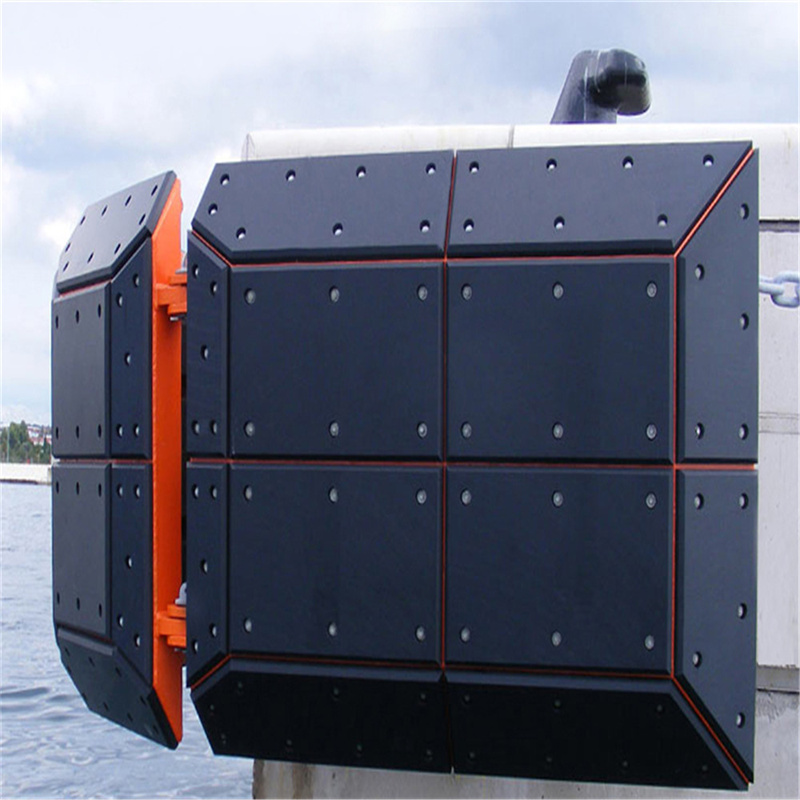
A dock using hardwood fenders, after several years, developed cracks due to repeated wet-dry cycles and prolonged immersion in seawater, requiring frequent replacement. HDPE fenders were then used instead. Its toughness allows it to effectively absorb and disperse the collision energy from ship berthing, and its corrosion resistance and UV resistance ensure that HDPE sheets retain their color for a long time, requiring no long-term maintenance and reducing dock operating costs.
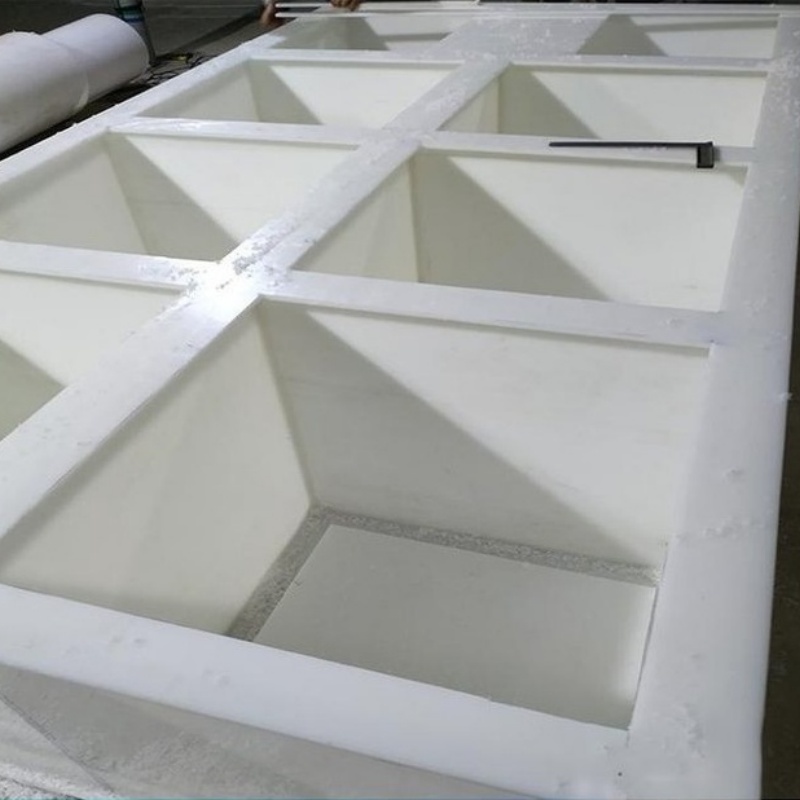
In UK salmon farms, massive HDPE sheet frames create more open farming areas and better water quality. The sheet frames do not corrode, and their smooth surfaces eliminate the need for cleaning deposits.
From dock fenders to marine aquaculture facilities, HDPE material has proven its superior performance as the perfect material for the harsh marine environment. With the booming development of the marine economy, HDPE sheets, with their safer, more durable, more environmentally friendly, and more economical characteristics, will play an irreplaceable role in the expanding blue economy, including future offshore photovoltaic platforms and eco-friendly docks.
Post time: Dec-02-2025


